
”
Written byJordan Fernandez
”
Illustrated byHannah Moya
What to Expect as the G20 Summit Heads to South Africa.
Amidst the chaos that is everyday life, if you’ve been paying attention at all, been listening to the radio or happened to be at any major South African airport, you would have seen or heard of something called the G20. An international summit which South Africa is hosting in Johannesburg from the 22nd to the 23rd of November. To be a multifaceted, legal young adult who is politically knowledgeable and a responsible South African citizen – it is important to know just a little bit about this event and its significance. Thank goodness you are reading this! In layman’s terms, the G20 is a far-reaching and highly impactful ‘meeting’. Delegates and officials from 19 countries, the European Union and African Union get together to discuss economic goals and aims on a global scale.
The states in attendance represent 85% of the world’s Gross Domestic Product (a way to measure a country’s economic wealth). The states represented are some of the most influential role players in the world, namely the United States, Russia, the United Kingdom, Saudi Arabia, France, and China, amongst others.
This noticeably big and especially important summit allows countries to get together diplomatically and discuss where they’ve been falling short and how they can improve on creating meaningful impact on issues like climate change, sustainable development, financial decisions and policy collaboration.
“The states represented are some of the most influential role players in the world, namely the United States, Russia, United Kingdom, Saudi Arabia, France and China, amongst others.”
South Africa has held the G20 presidency this year, after Brazil in 2024, and throughout held a theme of solidarity, equality, and sustainability. The United Nations 2030 agenda is around the corner, and South Africa has made it a priority to discuss furthering the 17 sustainable development goals laid out by the United Nations, to name a few: zero hunger, reduced inequality, no poverty, gender equality, clean water and sanitation, some of these are basic human rights. South Africa has decided on two tracks which can focus the conversation: Sherpa and Finance. The Sherpa track is currently under way and has a number of working discussion groups.
The results of these discussion groups will be brought to the final summit and put forward for discussion to the bigger heads of state; some of these working groups include agriculture, disaster risk reduction and education. The Finance track involves Ministers and heads of central banks discussing issues like framework, infrastructure and inclusion. The structure of a meeting as broad as this is guided by South Africa’s overall goals and deliverables which focus on disaster resilience, debt sustainability, just energy transition and minerals used in a sustainable way to promote growth and development.
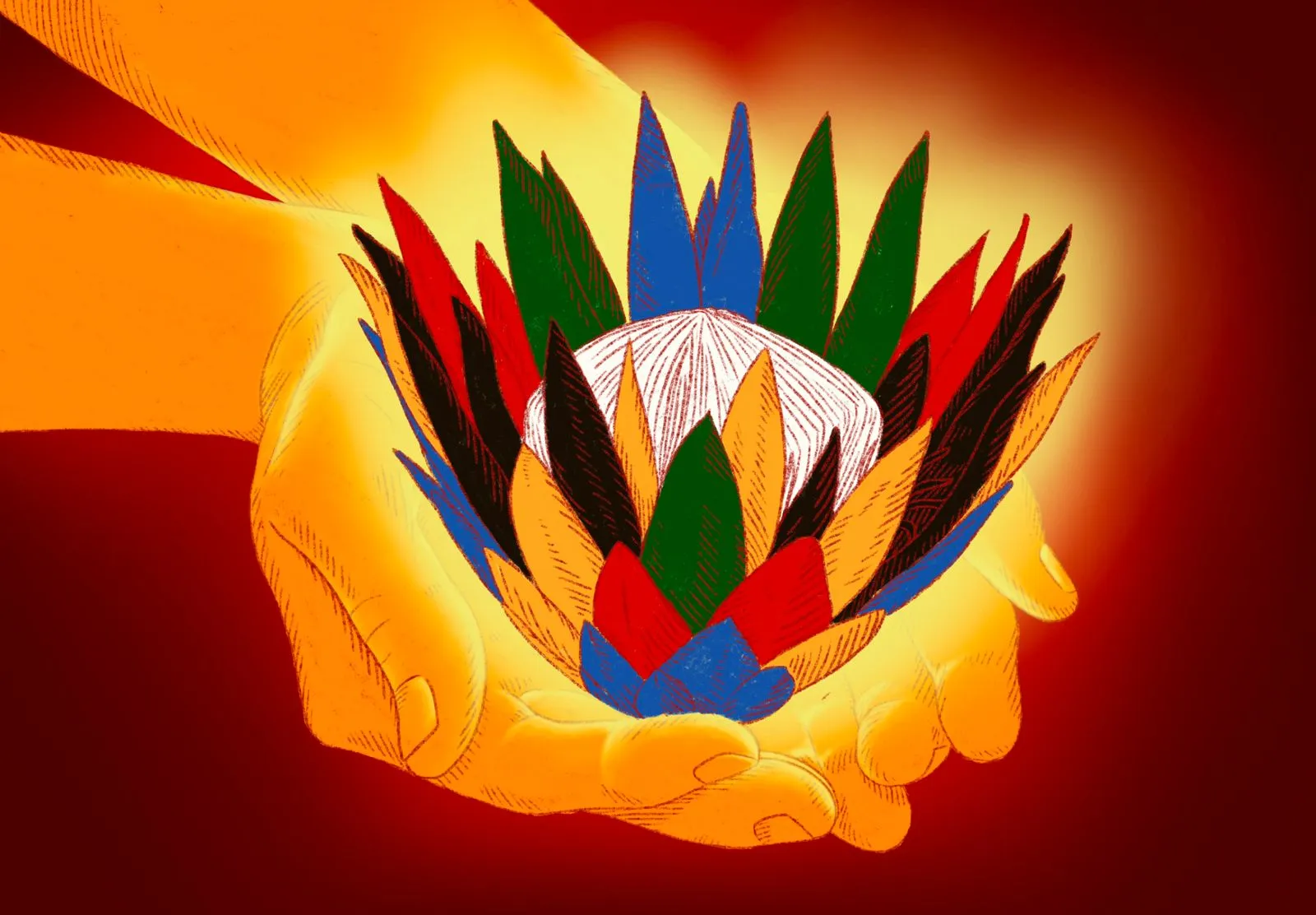
The word sustainable is a central tenet because the goals and solutions formed at meetings like this are meant to implement long-term change and create balance on a global scale. As a country of the Global South, it is important for South Africa to take the lead in these conversations. The question on your mind at this point must be, what of Russia? Despite his status with the International Criminal Court, President Putin still received an invitation to join the summit earlier this year, presumably because of South Africa’s BRICS and long-standing relationship with the state. Whether Putin will join or not is to be seen based on South Africa’s latest denouncement of the Russia-Ukraine conflict in signing the United Nations ES-11/8 peace resolution.
This summit brings the eyes of the world to South Africa. As it commences under the leadership of the incumbent President Cyril Ramaphosa, we must keep in mind what Kofi Annan once said: “Sovereignty shared is not sovereignty given up. The collective interest in the new century is also a national interest if we are to find fair, effective and lasting solutions.”
The month of November promises to be one full of the spirit of Ubuntu and hopefully, a step towards addressing and implementing positive change in our nation and others.