”
Written byJordan Fernandez
Education as a tool for Africanacity.
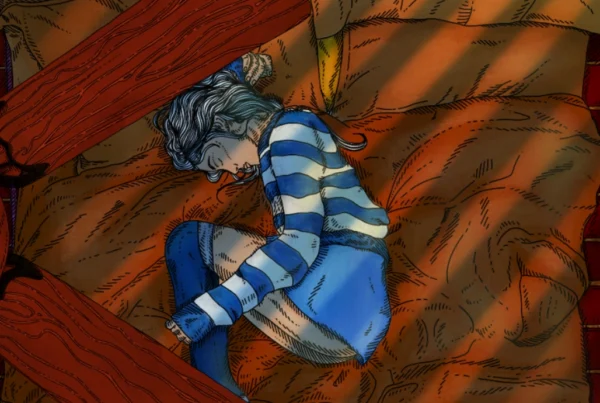
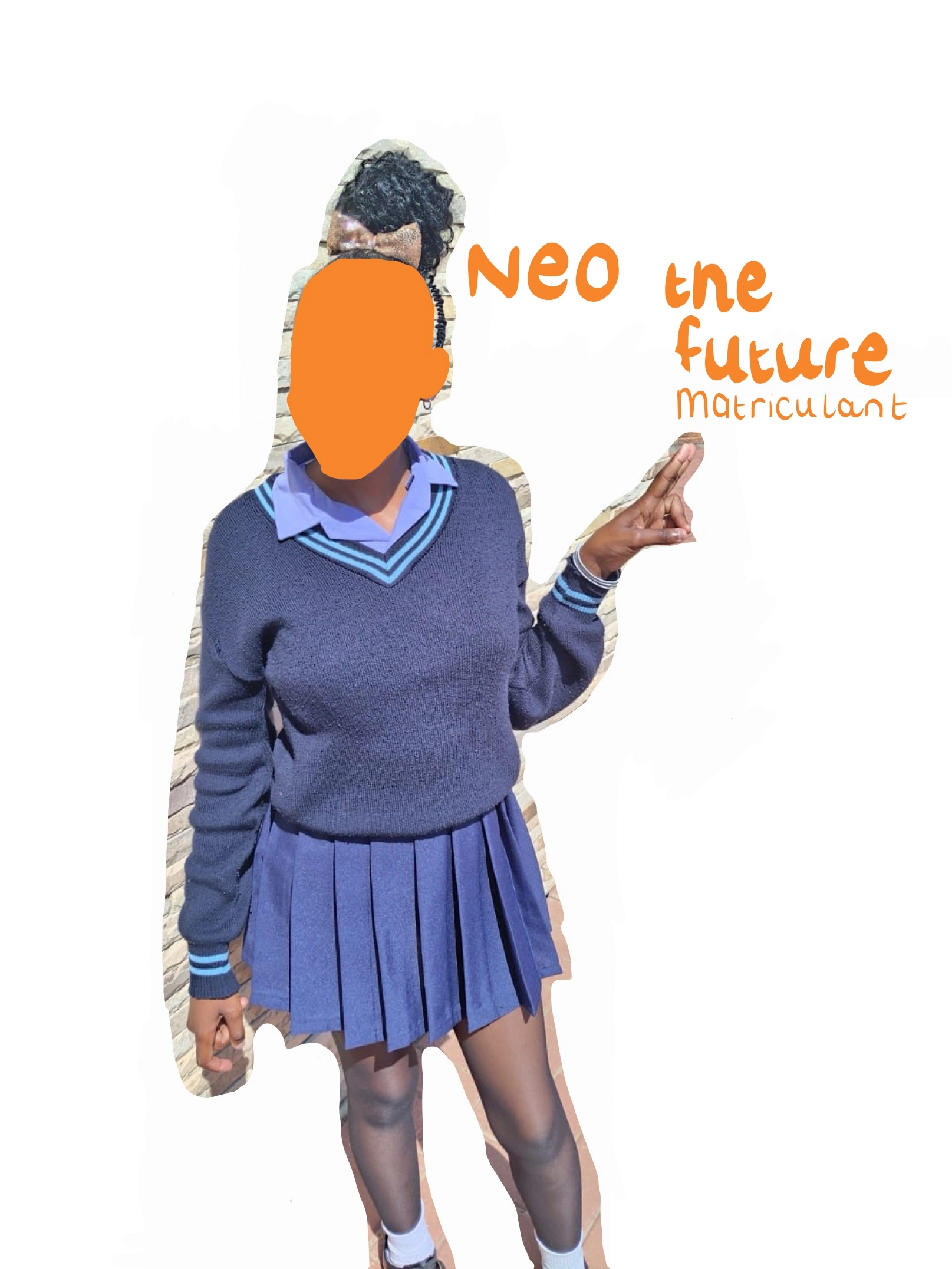
Every morning, a high school girl I know named Neo walks 40 minutes to Mandela Village where she attends Senzangakhona Secondary School. She spends her day learning Maths, English and other fundamental subjects. Yet none which prepared her for the brutal reality of South Africa. On the 14th of August in 2025, Neo witnessed a Grade 8 student stab another to death. Despite counselors trying their very best to mitigate the effects on students, this trauma now belongs to her. It’s ironic that we consider these subjects ‘fundamental’ when in actual fact they are not catering to the 40% drop out rate which plagues our education sector.
The National Senior Certificate (NSC) results came out earlier this January, and every radio station boasted of the new and improved pass rate, an astounding 88% of matric candidates passed their finals, the highest ever recorded. A tremendous 920,000 students sat down to write. While this number does show promise and an optimistic future, this statistic is a guise for an issue that still persists. Colin Wardle of the Zero Dropout Campaign, in an interview with Newzroom Afrika, revealed that 40% of candidates drop out before matric. So, the data pushed to the headlines isn’t telling you the real story.
“A tremendous 920,000 students sat down to write. While this number does show promise and an optimistic future, this statistic is a guise for an issue that still persists. “
The truth is that just under the majority of the candidates who could be writing, are not doing so, mostly being boys between Grade 10 and 12. There are a number of reasons for these dropouts and that’s exactly what needs to be highlighted. Teen-pregnancy, family responsibility, gangsterism, financial constraints and safety pose a threat to the learning happening inside of schools, ones like Senzangakhona. It is no use obtaining knowledge on Maths, Physics or English if learners like Neo cannot graduate due to their circumstances. Contraception, substance abuse, menstrual hygiene, domestic violence, and the like are all conversations which are far more topical than mindfulness or what we currently see in any Life Orientation Syllabus.
The solution to this, contrary to popular belief, is not a turn to the West to look for instruction. Kids in South Africa are not bringing guns to school in the same way kids in America are. Gangsterism among the youth isn’t like what you see in Brazil. Kids aren’t dropping out because they are disinterested; they do it because they feel they have no choice. They are terrified, their parents are absent or helpless or work long hours to provide. These issues are ones which are within the radius of your house. This is our problem, and for African problems we need African solutions. We are a nation of diverse, creative, entrepreneurial, social and opportunistic people.
According to Jabulani Mpofu, a Zimbabwean scholar, there needs to be a focus on increasing participation and removing constraints that prohibit learners from receiving an education. When we remove these, look at who we produce.
Artists like Marlene Dumas, a graduate of University of Cape Town. Nkosinathi Maphumulo, or better known as Black Coffee, graduate of Durban University of Technology. Professor Shabir Madhi, Professor Derick Raal and Professor Andrew Forbes are highly researched and highly cited scientists worldwide, all graduates from the University of the Witwatersrand, as was our very own Nobel Laureate, Nelson Mandela. Oliver Tambo, a graduate from University of Fort Hare. Archbishop Desmond Tutu, University of South Africa. Dr Mary Susan Makobatjatji MalahLela, the first black woman in South Africa to qualify as a medical practitioner, graduated from WITS. Gold medalist, Caster Semenya, and writer Antjie Krog, graduates from the University of Pretoria. This is Africa and what Africanacity in all its success can look like.
These artists, scientists, and leaders are all examples of what can happen when opportunities are given and obstacles eradicated. So, if there is one thing you take away from this article, let it be this. When you read headlines, when you listen to the radio, or hear your parents speak. I know the work is not done yet, and just like the road works in South Africa, the path to improvement is never-ending. It’s not just that we need more education; we need the right education.
More learning suited to the people who live here, not to those who dish out international standards. While it seems like an issue that is far removed from you, our generation’s future is one. So, it’s time we start working together to create a South Africa where Neo can matriculate, get into the University of her choice, and go up on stage to receive her diploma while her mom cheers in the audience.