”
Written byRaelee Seymour-Brown
First, there was Oppikoppi. Then, Rocking The Daisies. Then came Ultra. And then… a dark abyss of nothing?
For a few years, around the 2018 – 2023 period, it was as if a darkness (also known as a global pandemic) had descended over South Africa, making the country seemingly undesirable to international acts. Or maybe there just weren’t any event companies with budgets big enough to book them, especially with the dim state of the Rand… until Hey Neighbour came along.
Whatever the reason, during that period, it felt like there was a weird and unexplainable sense of apathy surrounding event companies booking international acts – even old faithfuls like Rocking The Daisies didn’t really secure any big hitters for a while, at least in comparison to the Mac Millers, MGMTs, Flumes and Two Door Cinema Clubs of festivals’ past. But if we were able to do it in the past, what had suddenly changed?
Make no mistake, any real music fan will tell you how incredibly blessed we are with some of the most dynamic and compelling local musical talent here in South Africa.
From smaller indie artists currently breaking out like Internet Girl, Blxckie, and Coasters, to our recognisable international sensations such as Tyla, Alice Phoebe Lou, Uncle Waffles, and Black Coffee to name only a select few, South Africans certainly don’t go to bed hungry. But still – that doesn’t mean we like being left out. No one puts baby (South African music lovers) in a corner.
“Whatever the reason, during that period, it felt like there was a weird and unexplainable sense of apathy surrounding event companies booking international acts“
For some reason, despite South Africa being such a cultural hotspot, it feels like we are a country consistently and almost intentionally excluded from nearly every major artist‘s touring schedule. So while we’re certainly good enough for foreigners, tourists and digital nomads to price us out of our own cities, supermarkets, housing and leisure activities, apparently Africa is still not considered ‘worthy’ enough to make a stop on any mega star’s ‘World’ Tour for as long as I can remember. The explanation being that our Rand would be too weak for the population at large to afford tickets at the same market price as they’re sold for in the US. This leaves festivals, where there are usually multiple headliners for shorter sets and less production, as one of the only ways South Africans are able to access international acts.
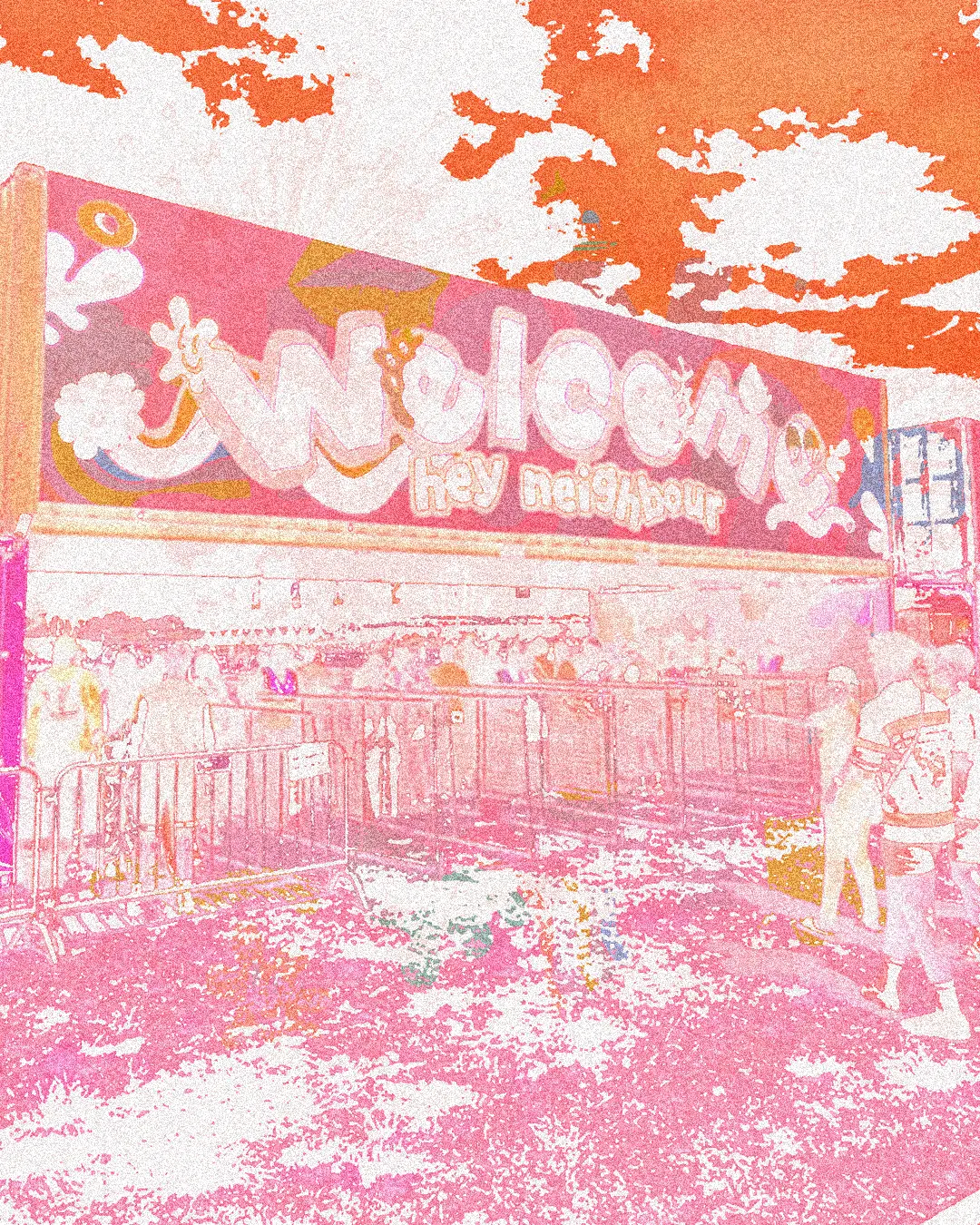
So, when the fog finally lifted and the smoke all but cleared with the announcement that the legendary Kendrick Lamar would be performing in 2023 as the headliner for a brand new festival coming to South Africa, the country was overjoyed to embrace Hey Neighbour’s debut. Even its shaky start could be forgiven (read all about that here), for music was truly alive in the hearts of South Africans once again. Hey Neighbour’s go big or go home attitude – finally bringing one of the most anticipated artists alive to SA soil – was clearly an inspiration, as we soon saw other brand new festivals pop up out of nowhere. Calabash, Milk + Cookies, and even the infamous DSTV Delicious got its act together for the first time in years.
Oh, how the mighty have fallen.
Since Kendrick, we have been blessed with some household names – Kaytranada, Skrillex, Green Day, and Summer Walker were all massive successes. It felt like the bar just kept being raised, much to all of our delight of course. And so we all waited in silent anticipation for what Hey Neighbour had in store for us in 2025. Spoiler alert, the answer is nothing… they had nothing in store. The shelves are empty and they took all our money. But more on that soon.
On the 27th of March 2025, the official Hey Neighbour platform announced they would be bringing us none other than the iconic Doja Cat. Needless to say, the masses went wild and almost everyone I knew practically ran to secure their tickets. Hype was through the roof. Card details entered, money well spent, you can’t put a price on being in that crowd, right? Or so we thought.
Here is a (very short) timeline of events since the Doja Cat announcement:
26 May 2025 – Without any kind explanation as to why this decision was made, Hey Neighbour announces it will now be a 2-day festival as opposed to the 3-day event of the past. Kind of suspicious… but ultimately fine. Many of us had only purchased tickets for the nights that hosted the headliners we wanted to see anyway.
June 2025 – The festival continues to announce headliners and other performers, including Black Coffee, Leon Thomas and Central Cee, all while prompting the public to buy their tickets at every point they could. Good signs! Surely if all these huge artists are confirmed it demonstrates a sense of legitimacy.
3 July 2025 – Hey Neighbour announces a little over a month before the festival is due to take place that the event will now be taking place in December 2025. Outrage ensues, and rightfully so. Many people had not only spent money on their tickets, but had also secured non-refundable accommodation and flights by this time. Refunds to those no longer able to attend were promised to be issued by October 10th 2025 (To my anecdotal knowledge, those who applied for refunds at this time were generally successful, but not everyone). The official December dates would only be announced on 30 September 2025.
This change was the first real red flag and ultimately one we all should have heeded. However, due to this being the festival‘s third consecutive year having now built a sense of trust with the public, and South Africans still having limited access to international performances of this calibre, I believe that those of us that could still attend the December dates, including myself, held onto hope and our tickets. The opportunity to see Doja Cat live was just too great to give up on that easily.
30 September 2025 – The day we had all been waiting for went up in flames, as instead of announcing new December festival dates, Hey Neighbour issued a statement confirming the cancellation of the 2025 festival and a commitment to fulfilling all refund requests by the end of October 2025.
Listen, hindsight is 20/20 and a festival that not only announces a drastic date change while simultaneously only confirming the new dates nearly 3 months later is sketchy. We all should have probably clocked that this was only going downhill at that point, but alas, our yearning for the potential revival of the golden days of music festivals’ past was blinding.
October drew to an unsatisfactory end with many ticketholders taking to social media to report they were yet to receive their refund. A key organiser of Hey Neighbour, Glen Netshipsie, issued a public apology via a News24 article on October 23rd as well as an email to all festival ticketholders on October 31st. Both of these communications were very similar, with the bottom line being: “We advertised a festival of a certain calibre before having secured the funds and enough sponsorship to actually make that a reality, so we took your money in hopes we could cover our arses but YOU GUYS didn’t end up buying enough tickets so now we had to pay everyone back and there’s no money left for your ticket refunds, oopsie! Haha our bad, sorry! Maybe you’ll still receive it one day in the future at a completely unknown date but no promises!”
To be completely clear – even if unintentional with no premeditation – when you take someone else’s money with the promise of delivering a product or service and then fail to deliver that product or service, that’s a scam. The team at Hey Neighbour actively exploited South African’s thirst to see major live international acts following a post-pandemic lull in the scene while knowingly understanding the entire time that there was a very real possibility that they would not be able to deliver. And in my opinion, there is simply not enough outrage surrounding the complete lack of ethical responsibility around these facts.
In a now seemingly deleted series of TikToks, a young woman reported spending over R10k on two full weekend passes to the festival, and after not receiving her refund on October 10th as stipulated, she was applying to take Hey Neighbour to small claims court. This sentiment has been echoed by many others on social media.
But, if you’ve ever actually tried to take someone to small claims court in South Africa, you’ll know it is an extremely drawn-out, often unsuccessful and arduous endeavour that also requires the applicant visit the High Court in Pretoria for processing, which is obviously not always possible for those residing outside of Gauteng.
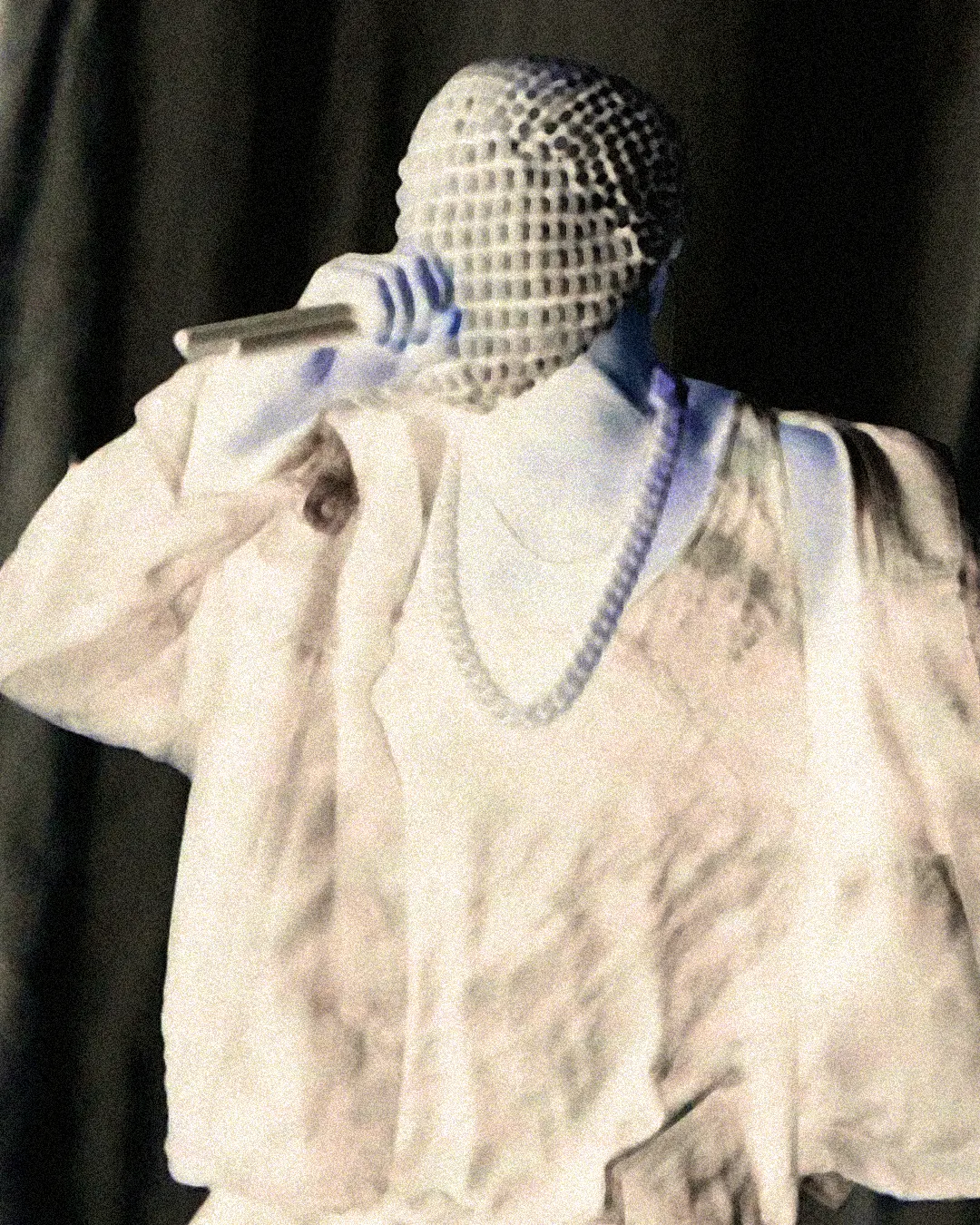
However, we cannot simply let event companies that clearly do not have the expertise to be running events of this scale continue to capitalise on our lack of access to our favourite international artists. The chaos of Hey Neighbour and the lack of public outrage (so far) perpetuates the message that we’re just willing to lay down and accept money being stolen from us. And we’re already seeing the exact same MO gleaned directly from Hey Neighbour being applied elsewhere, with the recent Kanye West concert scam allegations, where promoters have released a statement yet again saying they were “really hoping” ticket sales would cover Kanye’s booking fees after announcing the artist would be performing here. Surprise, surprise, they haven’t.
At the time of publishing, I am personally among the group at large that are still yet to receive their ticket refunds. And while small claims court is an admirable route, without getting into too much legislation here (Google is free), it seems a more promising way forward would look something like a class action complaint via the Consumer Protection Act (CPA). While class-actions are not as common in our country due to the court generally only accepting them in cases where a group’s constitutional rights have been infringed upon, South Africa’s CPA is much more robust, providing persons or groups extensive consumer protection which certainly applies here. As South Africans we all know being robbed of any amount of money in this economy, nevermind 10k, is diabolical. And while I have lost hope of ever getting any of my money back, that doesn’t mean we can’t still hold the fraudulent parties accountable.
As integral as money is, these scams becoming more rampant threaten to not only damage our wallets, but also our trust and belief in our festival scene. As a country that contributes so much towards shaping culture (especially music) internationally, we are deserving and entitled to transparency and fulfilment of what was advertised to us, at the very least. We cannot continue to let festival organisers keen to make a quick buck off of the inaccessibility to our favourite artists go unpunished. This whole debacle will undoubtedly have negative effects for any new festival with pure intentions and even the ability to deliver that comes after the great Hey Neighbour Scam of 2025, creating a vicious cycle that leads to even further lack of access, with the music-lovers of our country being the only ones to literally, and figuratively pay the price.